

Bachelor of Science in Marketing

Marketing


Marketing Moves Fast. Stay Steps Ahead at GW.
Marketing brings together creativity, strategy, data and technology to understand people and shape how organizations connect with their audiences. The George Washington School of Business undergraduate Marketing program combines real-world application with a foundation in consumer behavior, brand strategy, marketing analytics and digital innovation. Learn to build brands, influence audiences and develop marketing strategies for businesses, causes and ideas in a changing world. With a strong alumni network and global connections, you’ll gain the skills and experience to launch your career and build your own professional brand.

Washington, D.C. Is Your Marketing Classroom
Washington, D.C., offers a front-row seat to the many ways marketing shapes the world around us. From corporate branding and digital advertising to public affairs, nonprofit communications, tourism and political campaigns, the city showcases how organizations influence consumers, communities and public opinion.
At GW Business, you’re steps away from organizations putting marketing into practice, with opportunities to explore the field through exposure to companies such as Omnicom and Nestlé, as well as media organizations, government agencies and global institutions.
Program Opportunities
The Marketing program offers multiple pathways for GW students interested in careers in brand management, digital marketing, advertising, market research, marketing analytics, public relations, sales or product marketing.
- Earn a Bachelor of Science in Marketing
- 120 total credits, including 30 credits in marketing major coursework
- Earn a Bachelor of Science (BS) with a Major in Marketing
- Available to GW Business School students
- Declare a Second Major in Marketing
- 10 courses | 30 credits
- Available to all GW students pursuing another primary major
- Minor in Marketing
- 6 courses | 18 credits
- Open to non-GW Business School students
- Add a Marketing Strategy and Analytics Concentration
- 5 courses | 15 credits
- Available to GW School of Business students
- The Marketing Strategy and Analytics concentration provides students with the analytical skills and technical tools for marketing processes, including market research and segmentation, consumer behavior, brand positioning and strategic marketing. Learn to identify customer needs, evaluate target markets, develop compelling offerings and create effective marketing strategies that build lasting customer relationships.
- This foundation can lead to careers in brand management, advertising, market research, media planning, sales and retailing, public relations and more.
- Dual Degree: Bachelor's + Master's
The 4+1 Program: Earn Your Bachelor’s and Master’s in Five Years
In a competitive business environment, having a master’s degree can lead to higher-level positions, more responsibility and greater earning potential. The 4+1 Program is a dual degree program that offers undergraduate students the opportunity to earn an accelerated master’s degree from the GW School of Business.
What You'll Learn
Understand Consumers
Explore what motivates people, shapes their preferences and influences their purchasing behavior. Use consumer insights to identify market opportunities.
Turn Data Into Strategy
Build skills in marketing research and analytics to evaluate markets, interpret consumer data and develop strategies for pricing, positioning and reaching target audiences.
Build Brands
Learn how organizations identify customer needs, develop products and services, create compelling value propositions and position their brands in the marketplace.
Navigate Digital Marketing
Explore digital advertising, social media, marketing automation and emerging technologies, including AI, and how they shape strategies and consumer relationships.
Think Globally & Responsibly
Explore how culture and international markets influence marketing. Examine the ethical, social and environmental impacts and responsibilities of organizations and their marketing strategies.
Meet the GW Marketing Community
What’s it like to study marketing at GW? Hear from current students and faculty about the classroom experience and unique #OnlyatGW opportunities that can help prepare you for success across any area of marketing.
#OnlyAtGW Experiences
GW Business and the broader university community offer a robust ecosystem of centers, initiatives and student organizations that support the Marketing program, giving you opportunities to apply classroom learning to real-world challenges.

Make the Most of Your GW Experience
Your marketing education extends beyond the classroom. At GW, you can explore your interests, build relationships with fellow students and gain new perspectives through student organizations and study abroad opportunities.
Get involved with student organizations such as the American Marketing Association, Capitol Advertising, Pi Sigma Epsilon, the GW Fashion & Business Association and the Sports Business Association. These communities offer ways to explore your interests, collaborate with peers and engage with different areas of business.
Through study abroad experiences, you can see how culture, local markets and consumer expectations influence branding, advertising and communication around the world.
Marketing Is Evolving. So Is What We Teach.
Technology is changing how organizations understand consumers, develop campaigns, deliver messaging and measure results. GW’s marketing curriculum explores emerging tools and approaches, including AI, marketing automation, digital analytics, marketing channels and social media. Learn to evaluate new technologies, use data to inform strategy and consider the ethical questions surrounding consumer information and digital engagement.


Real-World Marketing Experience
Put marketing concepts to work through experiential learning opportunities that connect coursework with professional practice. Experiment with emerging technologies, collaborate with real clients and explore the science behind consumer behavior. Here are a few examples of experiential learning in the marketing curriculum:
- AI Applications in Marketing Strategy
Throughout the semester, students build individual projects, experiment with AI tools and explore how emerging technologies can address marketing and business challenges. They also collaborate on team capstone projects, which they'll present to a panel of industry judges at the end of the semester.
- Design-Led Growth & Innovation
Students work with clients to identify and address real business pain points using design thinking and human-centered innovation. They conduct research, explore customer needs, develop ideas and prototype solutions, gaining practical experience in solving problems for organizations.
- Consumer Neuroscience, Persuasion & Ethics
This course connects the science of consumer decision-making with practical marketing applications. Students explore how people perceive information, form preferences and make decisions, while examining the ethical responsibilities of marketers. The course also incorporates industry engagement and capstone work to connect these concepts with professional practice.
Learn From Marketing Experts
GW’s marketing faculty bring expertise in consumer behavior, marketing research, analytics, digital technologies and emerging approaches to marketing. Their teaching and research help students examine how organizations understand audiences, respond to changing markets and develop effective strategies.
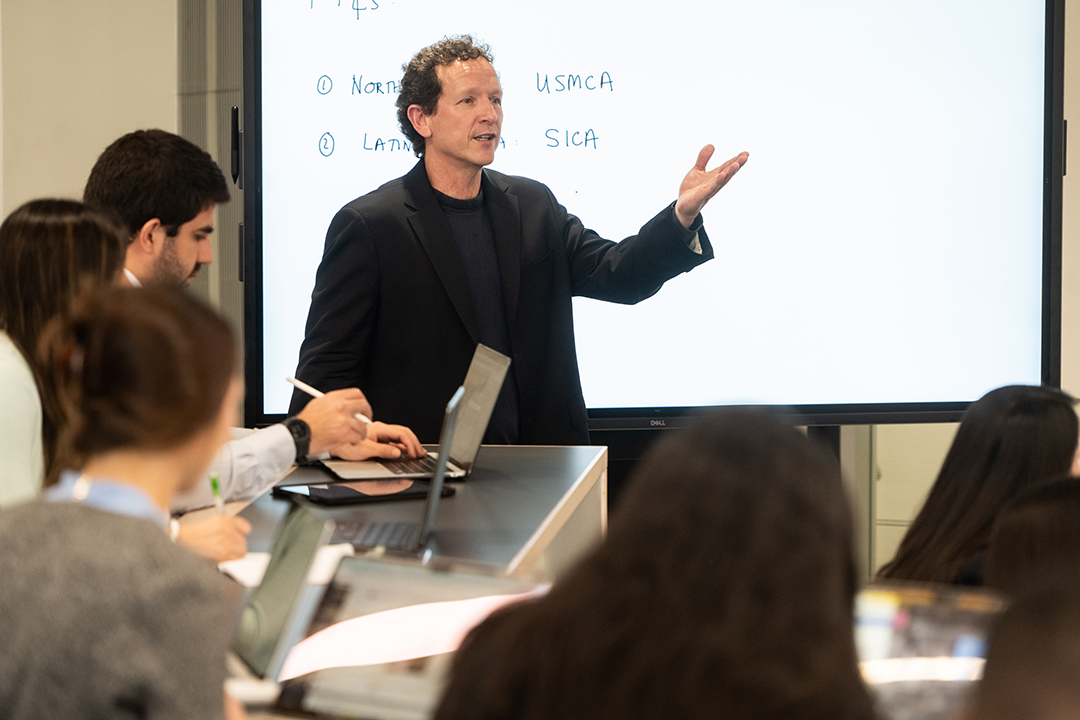

Diversify Your Marketing Portfolio. Take an Interdisciplinary Approach.
Marketing touches nearly every part of an organization, making it a natural complement to other academic interests. Explore how marketing intersects with technology, analytics, finance, international business and other areas through electives and additional areas of study. Examples include:
- Marketing + Information Systems: Explore marketing technology and digital platforms.
- Marketing + Business Analytics: Use data to understand consumers and evaluate marketing performance.
- Marketing + International Business: Consider how brands and marketing strategies adapt across global markets.
- Marketing + Finance: Examine the business and financial considerations behind products, pricing and growth.
Depending on your academic plan, electives, minors and additional majors can help you tailor your studies to your interests and goals.
Get Steps Ahead on Your Career Search
The Fowler Career Center's Marketing Careers360 program gives first- and second-year students personalized mentorship and career support to help them get a head start in the marketing industry.
Through the programs, students gain:
- Industry insight: Learn from professionals working in marketing careers.
- Career guidance: Get support with resume development, job search strategies and interview preparation.
- Alumni mentorship: Build relationships with accomplished GW alumni and gain access to their professional networks, including potential internship and career opportunities.
Career Pathways
A marketing degree can lead to careers that blend creativity, analytics, technology and business strategy. Build a foundation for roles across industries, including consumer brands, business-to-business companies, nonprofits and government agencies. Marketing can also provide a foundation for graduate study in business, public administration, public policy, international relations and law, as well as entrepreneurial ventures.
Career areas include:
Creative & Brand Strategy
- Brand Manager
- Advertising Specialist
- Marketing Communications Specialist
- Public Relations Specialist
Digital & Technology
- Digital Marketing Specialist
- Social Media Strategist
- Product Marketing Specialist
- Marketing Automation Specialist
Analytics & Consumer Insights
- Marketing Analyst
- Market Research Analyst
- Consumer Insights Specialist
- Customer Relationship Management Specialist
Sales & Business Strategy
- Sales Representative or Manager
- Product Manager
- Marketing Consultant
- Business Development Specialist
Career Support
Personalized Career Coaching
Experienced career coaches with a proven track record of supporting successful career outcomes and advancement help you build an effective job search strategy while providing resume reviews and mock interviews.
Dedicated Career Center
The GW Business F. David Fowler Career Center provides exclusive access to employer connections, recruiting opportunities and career resources, including professional development workshops on technical skills, presentations and salary negotiation.
Mentorship Opportunities
Participate in the Careers360 program to connect with industry mentors in consulting, finance or marketing.
Global Alumni Network
With more than 60,000 alumni spanning 260+ organizations, Fortune 500 companies, startups, and nonprofits around the world, you’ll gain access to mentorship, connections, and career opportunities that open doors and accelerate your impact.

Next Steps
Discover how you can turn your interests in creativity, business, technology and human behavior into a career. Request information, visit the GW campus, talk with our admissions team, or take the first step by applying today.
Current GW Student? Transfer to GW Business or declare a Marketing major/minor/concentration.
Latest News & Research from GW Business

Q & A: Financial Investing for Beginners
September 21, 2026

What Can You Do With an MS in Applied Finance?
August 4, 2026

